FlensMUN 2026
Currents of Change - Navigating Global Transformation
Save the date: Thursday, the 11th to Sunday, the 14th of June 2026
You would like to be a UN-delegate for a weekend? You want to discuss exciting world-wide pressing issues?
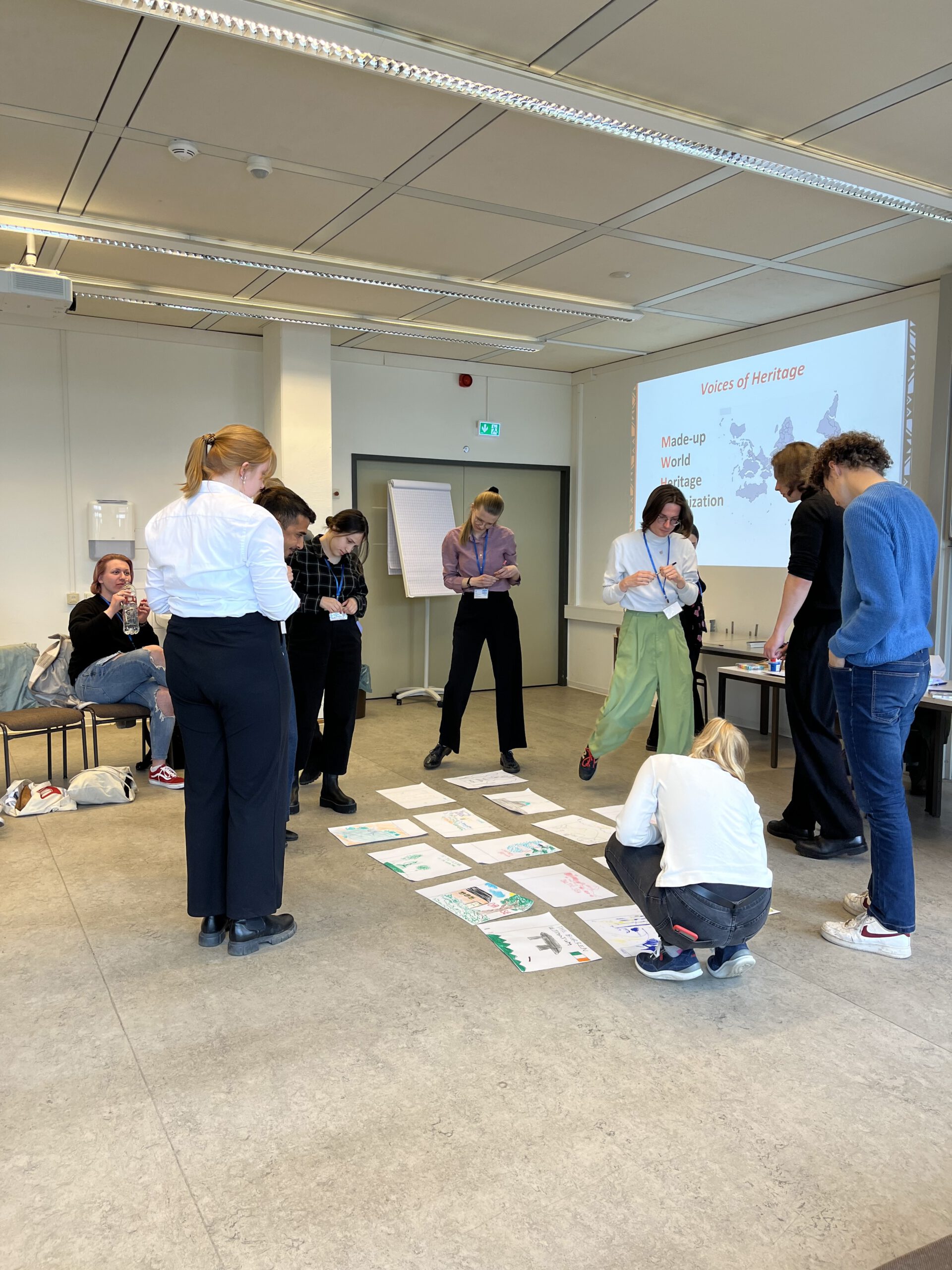
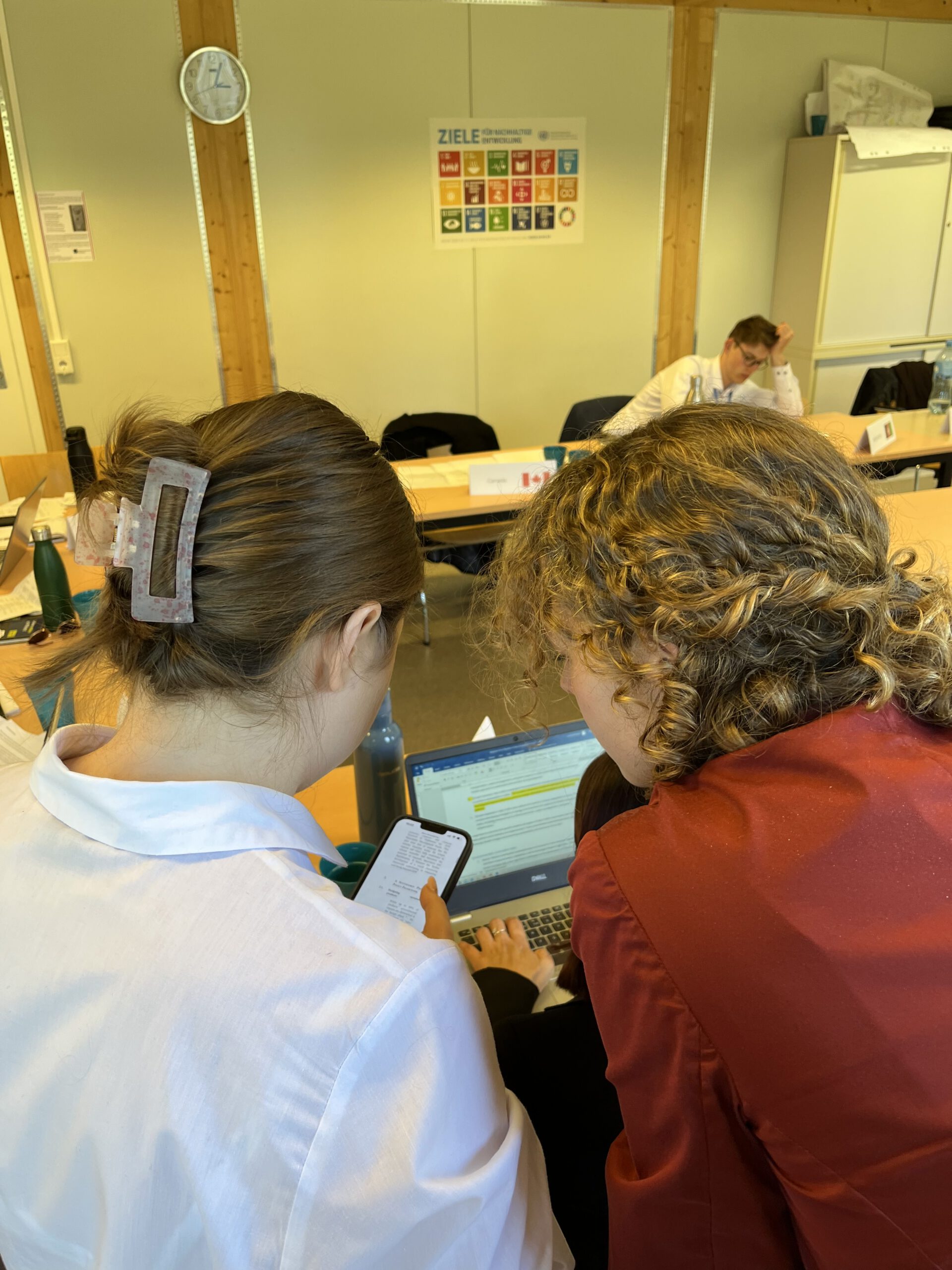
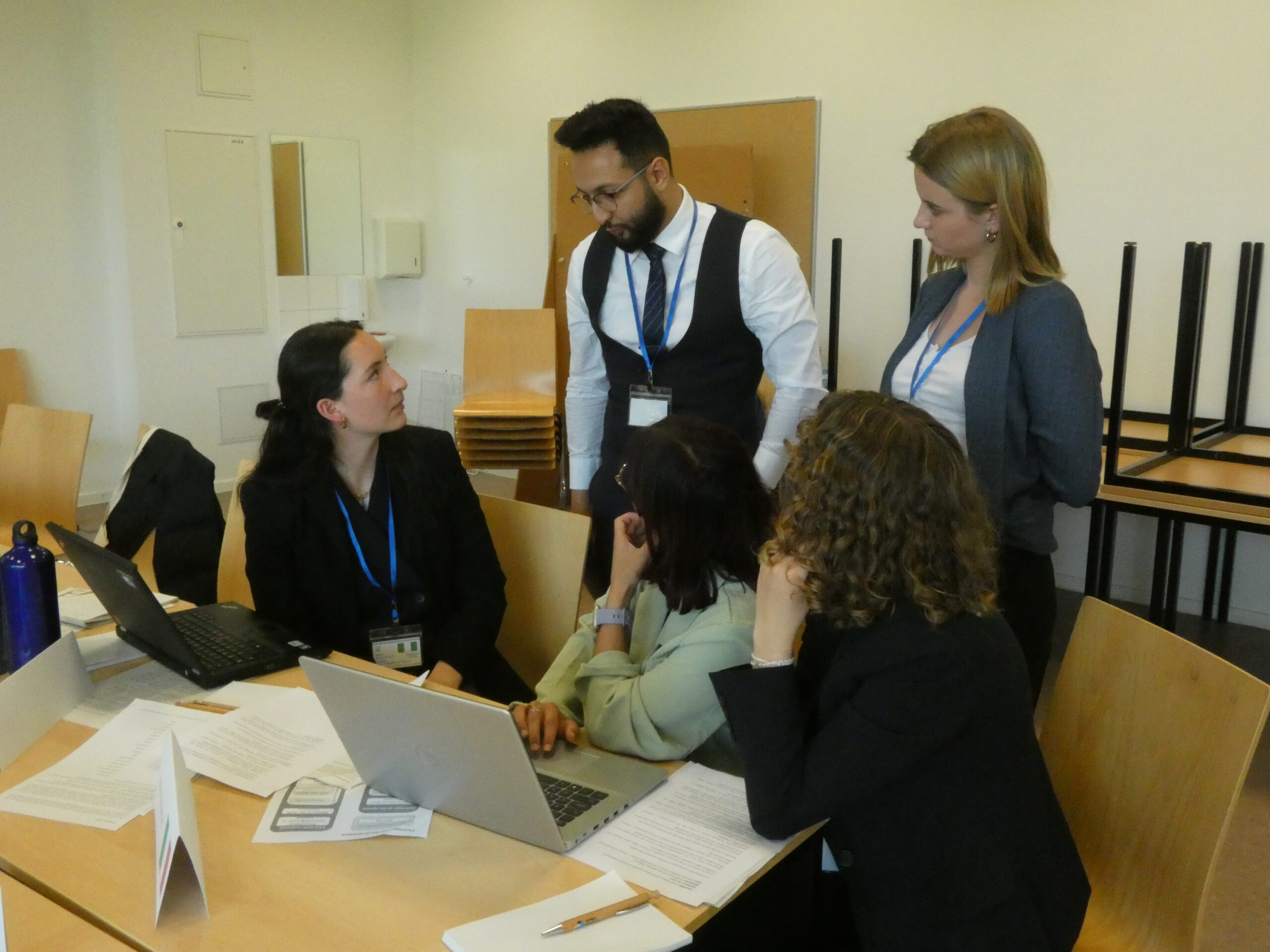
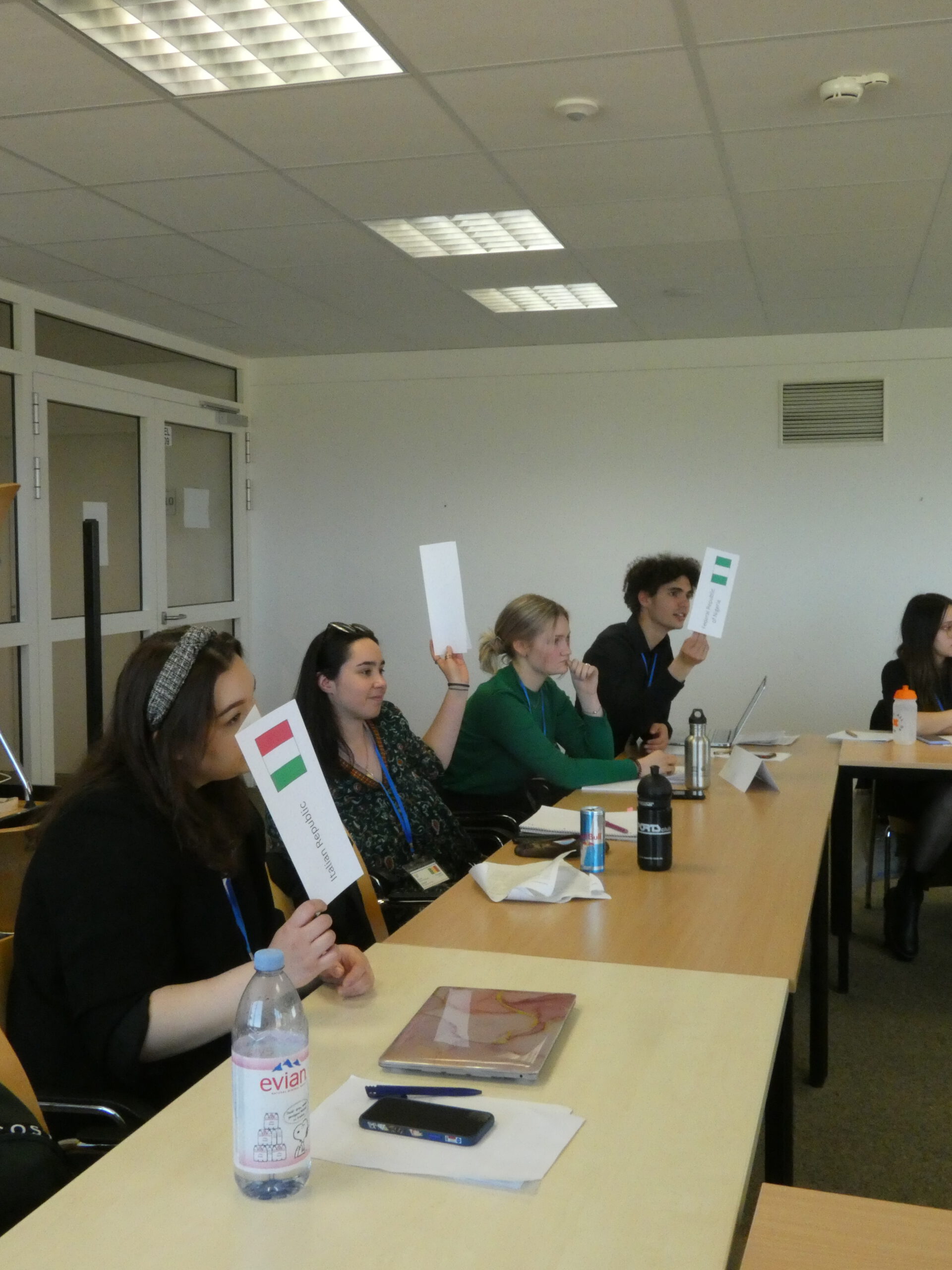
Join FlensMUN 2026 as we will discuss topics around current global transformation trends and how to manage them. Enjoy a conference packed with amazing social and academic events and meet new like-minded people.
FlensMUN 2026 will host three committees: UNSC, UNHRC and ECOSOC.

Committees & Topics
Topic 1 – Protecting Global Sea Trade Routes in Times of Conflict
The global economy depends on the sea – and it is there that instability is growing today. According to the UN, more than 80% of global trade is transported by sea, yet key routes are increasingly under threat due to armed conflicts, attacks on commercial vessels and the growing militarisation of maritime spaces. The UN Secretary-General has repeatedly warned that disruptions to shipping directly impact global food and energy prices, increasing the vulnerability of states not involved in conflicts.
Control over maritime trade routes is increasingly becoming an instrument of geopolitical pressure. Some states cite the need to protect national security, while others insist on the principle of freedom of navigation enshrined in international law. The Security Council has already addressed threats to maritime security in the context of piracy and regional conflicts, but today the challenges are becoming more complex: non-state actors, asymmetric attacks, and the risk of escalation between states with a naval presence in the same waters.
If the international community fails to prevent further fragmentation of maritime routes, the consequences will extend far beyond individual regions – from disruptions to humanitarian aid supplies to increased global instability. Under these circumstances, the UN Security Council remains the key forum for deciding whether the sea will become a space for cooperation or a new front for international confrontation.
Topic 2 – Addressing Artificial Intelligence and Digitalisation in Warfare
Modern conflicts are increasingly unfolding not only on the ground but also in the digital space. According to UN reports, artificial intelligence, autonomous systems and cyber technologies are already being used in military operations, changing the speed, scale and nature of decision-making. The UN Secretary-General has warned that the development of lethal autonomous weapons without clear political oversight poses a serious threat to international peace and security.
For some states, the digitalisation of warfare means a strategic advantage and a reduction in their own losses. For others, it means increased vulnerability and the risk of becoming the target of cyberattacks, disinformation, or strikes by autonomous systems without the ability to effectively respond. Concerns are increasingly being voiced at the UN that the lack of uniform norms and transparency creates the risk of unintended escalation, especially between technologically advanced powers. Meanwhile, the question of accountability remains unresolved: who is responsible for decisions made by an algorithm in a conflict?
If the development of military AI technologies continues without a political framework, even a local incident could have global consequences. The UN Security Council faces an unprecedented challenge: maintaining control over international security in a world where the boundaries between war, technology and human decision-making are becoming increasingly blurred.
Thema 1 – Gewährleistung der Menschenrechte von Migrant*innen und Flüchtlingen auf See
Am 18. April 2015 starben und verschwanden über 1000 Menschen an Bord eines kleinen Schiffes, als es tragischerweise im Mittelmeer zwischen Libyen und Lampedusa kenterte. Ein trauriges Ereignis, das zunehmend zum Normalfall wird. Allein in den letzten 10 Jahren wurden mindestens 34.000 weitere Menschen als verstorben oder vermisst gemeldet, nachdem sie versucht hatten, Europa über das Meer zu erreichen. Die Dunkelziffer solcher Vorfälle liegt wahrscheinlichhöher.
Diese Tragödien sind nicht auf Naturkatastrophen oder Eigenverantwortung zurückzuführen, da sie nicht selten das Resultat von Pushbacks, unterlassener Hilfsleistung oder aktiver Einschränkung von Rettungsmissionen sind. Durch das Ignorieren von Notrufen oder die Abweisung hilfloser Migrant*innen wollen Staaten irreguläre Migration einschränken und ihre eigenen Grenzen schützen.
Dieses Vorgehen verletzt Grundsätze der Seenotrettung und elementare Prinzipien der Vereinten Nationen. Das macht Menschenrechte von Migrant*innen auf hoher See nicht nurzu einem migrationspolitischen sondern auch internationalen Thema. Der Menschenrechtsrat hat hier die Aufgabe, die Menschenrechte von Migrant*innen und Flüchtlingen auf hoher See zu wahren undzu schützen. Wenn Menschenrechte auf See verhandelbar werden, verliert das internationale Schutzsystem seine Glaubwürdigkeit. Wie kann also der UN-Menschenrechtsrat diese universellen Menschenrechte in dem Konflikt zwischen staatlichen Interessen, Sorgen vor Migration und fehlendem Verantwortungsbewusstsein auf hoher See schützen?
Thema 2 – Sicherstellung der Rechte von Frauen während humanitärer Krisen
Weltweit leben heute über 60 Millionen vertriebene Frauen und Mädchen in Krisenregionen inmitten bewaffneter Konflikte sowie in Flucht- und Katastrophengebieten. In solchen humanitären Krisen kommt es zur Häufung von konfliktbedingter sexueller Gewalt, Zwangsverheiratungen und dem Verlust reproduktiver Rechte Wichtige Schutzmechanismen brechen genau dann zusammen, wenn sie am dringendsten gebraucht werden.
Da Frauenrechte in den Menschenrechten völkerrechtlich garantiert und damit Bestandteil des Gesetzes eines jeden UN-Mitgliedstaates sind, müssen für solche Krisen Lösungsansätze gefunden werden.. Dass sie in Krisen systematisch ausgesetzt, relativiert oder “nachrangig“ gegenüber militärischer oder geopolitischer Stabilität behandelt werden, ist ein Versagen humanitärer Finanzierungen, die weit hinter dem tatsächlichen Bedarf zurückbleiben.
Den häufig noch von betroffenen Staaten vorgebrachten Argumenten bezüglich erbetener Nichteinmischung stehen UN-Organisationen, NGOs und Sonderberichterstatter gegenüber. Sie fordern Rechenschaft, Zugang, Monitoring und Schutz für Frauen und Mädchen. Denn ohne internationalen Druck bleibt Gewalt gegen Frauen ein häufig genutztes Machtinstrument, das Millionen nicht nur elementare Gesundheits- und Schutzdienste, sondern auch ihre körperliche Autonomie, Sicherheit und Zukunftschancen nehmen.
Mit der Glaubwürdigkeit des internationalen Menschenrechtssystems selbst auf dem Spiel stehend, ist der Menschenrechtsrat von besonderer Bedeutung, um festzulegen, ob Frauenrechte auch in Krisenzeiten unverhandelbar bleiben. Wenn Schutz auf Souveränität und Rechte auf Macht treffen, bleibt einzig öffentliche Verurteilung statt politischen Schweigens der UN-Mitgliedstaaten.
Topics 1 – Advancing Sustainable Fisheries Management to Combat Overfishing
Overfishing is no longer a distant environmental concern; it is a global crisis demanding urgent multilateral action. Presently, the latest United Nations FAO (Food and Agriculture Organization) indicates that over one-third of the world’s marine fish stocks are exploited beyond sustainable limits, threatening biodiversity, coastal livelihoods, and global food security. Yet, evidence also shows that regions with strong governance and science-based management achieve over 70% sustainable fish stock recovery, proving that progress is possible when policy meets commitment.
As seafood demand rises and illegal fishing persists, nations face a dilemma: how to protect marine resources while managing economic interests? This sparks a fierce debate between privatising fishing rights to boost efficiency and protecting small communities from being priced out. Advancing sustainable fisheries management could offer a solution through cooperative regulation, technological monitoring, and community-centred conservation.
Convening as the Economic and Social Council (ECOSOC), delegates are charged with a critical mandate: to reconcile the urgent need to combat overfishing with the sovereign right to economic development. You must craft innovative, enforceable solutions that protect marine biodiversity without stifling the capacities of emerging nations. The future of global food security rests on your ability to break the deadlock between profit and preservation. Will this committee allow short-term exploitation to deplete our shared oceans, or will you successfully negotiate a framework that aligns economic growth with ecological survival?
Topic 2 – Addressing Digital Colonialism and the Global Power of Tech Companies
In today’s digital age, control over data has become a new source of global power. The rise of dominant technology corporations has given birth to digital colonialism – a system where data generated in developing nations is extracted, processed, and monetised by foreign tech giants, often without fair economic return or local control. Currently, just a handful of multinational companies command the majority of global digital infrastructure and data services, while fewer than half of developing countries have comprehensive data protection laws in place. This imbalance deepens technological dependency, limits national digital sovereignty, and restricts local innovation.
As artificial intelligence, cloud computing, and digital platforms reshape economies and governance, the international community faces a critical challenge: how to ensure that technological progress benefits all nations equitably rather than reinforcing old patterns of domination in new digital forms. Addressing digital colonialism requires collaborative frameworks for data governance, fair taxation of digital profits, knowledge transfer, and capacity building in emerging economies.
Convening as the Economic and Social Council (ECOSOC), delegates face a defining choice: will the digital revolution bridge the global inequality gap or widen it? You are charged with creating a framework that balances the power of global tech giants with the rights of sovereign nations. The question is not just about data, but about power. Will this committee allow the digital future to be defined by corporate extraction, or will you forge a new path of shared prosperity and technological independence?
Documents
This section contains all relevant documents for preparing and participating in the conference.
Exposed to the 4 elements - Mitigating and managing the consequences of climate change
Save the date: Thursday, the 23rd of May to Sunday, the 26th of of May 2024
You would like to be a UN-delegate for a weekend? You want to discuss exciting world-wide pressing issues?
Join FlensMUN 2024 as we will focus on around mitigating and managing the consequences of climate change. Enjoy a conference packed with amazing social ad academic events and meet new like-minded people.
FlensMUN 2024 will host two committees: UNHRC and ECOSOC.
In the Economic and Social Council the following topics will be debated:
- The World in Flames: Protecting forest from Wildfires
- Promoting Air-Quality in Urban Areas
In the Human Rights Council the following topics will be debated:
- Ensuring the Human Rights of Displaced People in the Context of Climate Change
- Discussing the Possible Right to an Unimpaired Nature for Future Generations
Find more information on the following pages. We will add new information as we go.
Committees and Topics
Here you find a list of our conference committees as well as their topics.
At the Conference
Where do the committees meet? When does the opening ceremony start? – All information that are needed during the conference can be found here.
Application
You want to join our MUN Flensburg conference? – Here you find the application form.
Documents
As we progress towards the conference, we will upload all relevant documents here. They include: guide to writing a position paper, committee guides, conference booklet etc.
Sponsors/Supporters
The whole conference would not be possible without our great supporting sponsors – get to know our sponsors here.
Committees and Topics
Here you find a list of our conference committees as well as their topics.
Application
You want to join our MUN Flensburg conference? – Here you find the application form.
At the Conference
Where do the committees meet? When does the opening ceremony start? – All information that are needed during the conference can be found here.
Documents
As we progress towards the conference, we will upload all relevant documents here. They include: guide to writing a position paper, committee guides, conference booklet etc.
Sponsors/Supporters
The whole conference would not be possible without our great supporting sponsors – get to know our sponsors here.